Bedding and sleep comfort
When a Sleep Surface Moves: Choosing Sheets for Adjustable Beds
An adjustable bed changes shape beneath the bedding. As the head or foot rises, a fitted sheet must flex, stretch and hold its corners without pulling tight across the mattress. The right fit begins with careful measuring—not assumptions about standard sizes.
A bed that moves introduces a small but persistent mechanical challenge into an otherwise familiar ritual. Raise the head for reading, lift the legs to rest, or return the base to a flat position, and the mattress changes angle beneath the sheet. Fabric shifts with it. A corner may creep upward; a surface may draw taut; a loose fold may form where the mattress bends.
These changes do not necessarily mean the sheet is poorly made. Adjustable bases create movement that ordinary, flat bed frames do not. The mattress and sheet must accommodate repeated changes in position while preserving comfort and a secure fit. Choosing well depends on matching the sheet to the complete sleep setup: mattress dimensions, mattress depth, any topper or protector, the base’s range of movement, and the way the sheet is constructed.
The details on a package can help, but a label such as “queen” or “deep pocket” is only a starting point. A queen fitted sheet may have the right length and width but not enough depth for a thick mattress and protector. Generous pockets alone do not guarantee that a sheet will stay put if the elastic is weak or the fabric is cut loosely. A useful approach is to measure, compare, and test the fit in stages.
Why adjustable beds put sheets under extra strain
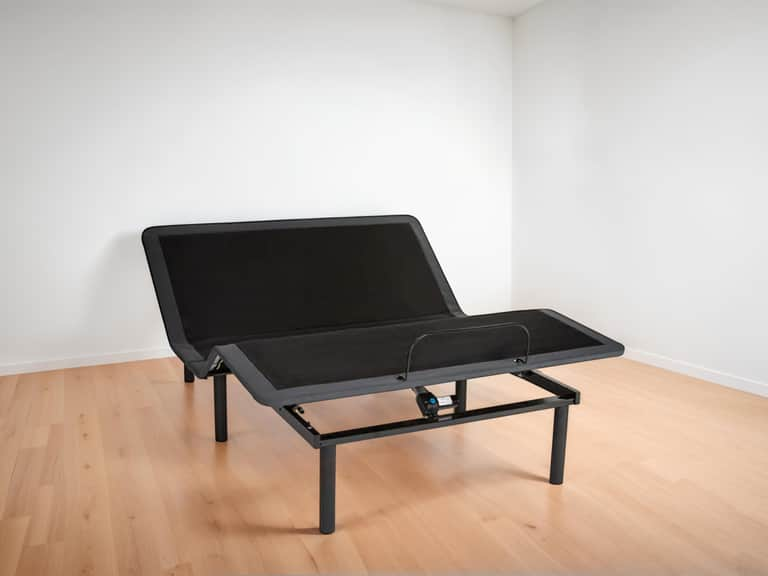
On a flat bed, the mattress is a steady rectangle. The sheet’s corners sit in one position, and the fabric experiences relatively little movement once the bed is made. An adjustable base alters that geometry. When one section rises, the mattress bends at a hinge point and the distance between parts of its surface changes. The fitted sheet must move with the mattress rather than bridge the bend like a taut cover.
Repeated articulation can pull fabric diagonally, especially at the corners and along the sides near a hinge. If the sheet is too shallow, its elastic edge may climb over the mattress. If it is much too deep, excess fabric can gather underneath and loosen as the bed moves. Either problem can create pressure or wrinkles against the sleeper, and frequent readjustment may become part of the nightly routine.
Not every adjustable arrangement behaves the same way. Some bases raise the head and foot independently; others offer preset positions or additional movement. A split configuration may allow each side of a bed to move separately. Those differences matter when choosing sheet dimensions and deciding whether one shared sheet or separately fitted sheets will work best. The base and mattress manufacturer’s care instructions are useful references, particularly where movement limits or mattress compatibility are involved.
Measure the whole sleep surface
Begin with the mattress, not the sheet label. Record its width and length, then measure its depth from the bottom edge to the highest point of the sleeping surface. Measure at more than one point if the mattress has a pronounced pillow top or uneven profile. Keep the tape measure vertical and avoid compressing the mattress; pressing down can produce a measurement that is smaller than the depth the sheet must cover.
Next, include every layer that will remain on the bed. A mattress protector, quilted pad, or topper adds height. The relevant depth is the full stack from the mattress’s bottom edge to the top of the protector or topper—not the mattress measurement in isolation. A protector with an elastic skirt may also change how smoothly a fitted sheet settles over the corners.
- Mattress width and length: Check the actual dimensions against the sheet size rather than relying only on a familiar name such as queen or king.
- Mattress depth: Measure from the underside edge to the top of the mattress without compressing it.
- Added layers: Account for protectors, pads, or toppers that will stay in place beneath the sheet.
- Corner shape: Note whether the mattress has rounded corners, a pillow top, or a profile that changes the way fabric sits.
- Base arrangement: Identify whether the bed is a single surface or a split setup with independently moving sections.
Once you have the combined depth, compare it with the fitted sheet’s pocket measurement. A pocket description may refer to the mattress depth the sheet is designed to cover, or it may describe the depth of the pocket itself. Packaging and product details do not always use identical wording, so check the manufacturer’s explanation when the distinction is unclear. The sheet needs enough material to pass over the mattress corners and reach below the mattress edge, with room for its elastic to grip.
In practice, a small amount of extra allowance can make dressing the mattress easier, but a pocket dramatically deeper than needed may leave surplus fabric underneath. The aim is not to select the deepest sheet available; it is to find a pocket compatible with the measured bed and its layers. When in doubt, verify the sizing information directly rather than assuming that a “deep pocket” label guarantees a secure fit.
Pocket depth and corner security
A fitted sheet works through a combination of shape, fabric tension, and elastic. Its corners are shaped to enclose the mattress, while elastic along the edge helps keep the sheet anchored below the mattress perimeter. A well-matched pocket gives the fabric enough reach to cover the top and sides without forcing the elastic to stretch to its limit.
If the pocket is too shallow, the sheet may be difficult to install and may spring off when the mattress changes angle. The elastic can be under constant strain, and a corner that appears secure when the bed is flat may slip once the head section rises. At the opposite extreme, a pocket that is too deep can leave slack around the lower edge. That slack may bunch, twist, or pull unevenly as the base moves.
Look for elastic that is continuous or otherwise designed to hold the perimeter evenly, and examine how it is sewn into the hem. Strong stitching and elastic that retains its recovery after washing can contribute to a dependable fit. These construction details are not a guarantee on their own: correct sizing remains essential, and laundering or age can affect elasticity over time.
Corner straps and sheet suspenders are sometimes used to help secure bedding, but they should not be treated as substitutes for a properly sized sheet. Before adding accessories, check that the sheet fits the mattress and that any straps are compatible with the base and do not interfere with moving parts. Keep fabric and attachments clear of the mechanism, cables, and pinch points, and follow the base manufacturer’s safety guidance.
Fabric weave, flexibility, and movement
The fabric’s hand and structure influence how it behaves when the mattress bends. Cotton percale, for example, is commonly associated with a crisp, airy feel. Cotton sateen tends to feel smoother and drape more fluidly. Neither weave is automatically better for an adjustable bed. Fit, cut, elastic, and personal comfort all play a role, while the weave can shape how the sheet feels and moves across the surface.
Sheets with some mechanical give may accommodate movement more readily than a very rigid fabric, though stretch is not a replacement for accurate dimensions. A stretchy sheet that is too small can still pull tight, and a soft, draping fabric that is too large can still shift. Consider whether the material feels comfortable against the skin, handles overnight warmth as desired, and remains manageable through regular laundering.
Thread count is one specification, but it cannot tell the whole story. Fiber quality, yarn construction, weave, finishing, and fabric weight affect how a sheet feels and wears. For an adjustable bed, the most useful questions are practical: Does the fitted sheet have the right dimensions and pocket depth? Can its fabric follow the mattress without harsh tension? Is the elastic construction designed to stay engaged at the corners?
Natural fibers such as cotton are widely used in sheets, with different weaves offering distinct surface feels. A cotton percale option may suit someone who prefers a lighter, crisper texture; sateen can feel smoother and more substantial. For example, the Sleep and Beyond Organic Cotton Percale Sheet Set is described as a lightweight, breathable cotton option with fitted-sheet pockets designed for mattresses up to 18 inches deep. That stated pocket depth should still be compared with the actual mattress-and-layer measurement, and compatibility with a particular adjustable setup should be confirmed before use.
A practical compatibility check
Before putting new sheets into regular rotation, make a brief check while the bed is flat and again after moving it through the positions normally used. The point is not to test the mechanism beyond its usual range, but to observe whether the fitted sheet remains smooth and anchored during ordinary adjustments.
- Confirm the size. Match the sheet’s listed width and length to the mattress dimensions and configuration.
- Measure the full depth. Include the mattress and any protector, pad, or topper that remains beneath the sheet.
- Compare pocket specifications. Check that the stated pocket depth accommodates the measured stack, allowing the sheet to reach beneath the mattress edge.
- Inspect the elastic and seams. Look for an even, secure finish and corners that sit without being stretched to their limit.
- Fit the sheet evenly. Align each corner and smooth the fabric across the surface without pulling one side much tighter than another.
- Move the base normally. Raise and lower the head and foot sections as intended, watching for corner lift, tight diagonal pulls, or folds at the bend.
- Recheck after laundering. Follow care instructions and inspect whether the sheet has changed in size or the elastic has lost recovery.
During the movement check, watch the fabric rather than judging only by whether a corner stays attached. A sheet can remain in place while pulling uncomfortably tight across the sleeping surface. Conversely, a few minor folds may be harmless if they do not create pressure, interfere with movement, or repeatedly loosen the corners. The goal is a stable, comfortable surface, not a perfectly immobile sheet under every possible adjustment.
Split beds and independently moving sides
A split adjustable bed adds another decision: how the bedding should accommodate separate movement. If each side of the base changes position independently, a single fitted sheet spanning both mattresses may resist that movement or shift as one side rises. Separate fitted sheets can allow each mattress to articulate more freely, though the choice depends on the bed’s dimensions, design, and the sleepers’ preferences.
Check whether the mattress arrangement uses two distinct mattresses, a split mattress, or another configuration. A split king, for example, is not simply a standard king sheet requirement: each half may need its own fitted sheet, while a shared flat sheet may cover both sides. Confirm the exact dimensions of each component and the recommended bedding setup for the base. Product names can vary, and similar labels do not always mean identical measurements.
For a shared sleeping space, separate fitted sheets may reduce tugging when one person adjusts their side. The top layer can still bridge the center if that arrangement is comfortable and does not impede the base’s movement. Keep bedding away from hinges and moving components, and avoid tucking excess fabric tightly underneath a frame where it could become caught.
Common fit problems and what they suggest
A corner pops off when the head rises. The pocket may be too shallow, the sheet may be too small, or the elastic may not be holding its shape. Recheck the total mattress depth, including all layers, before replacing the sheet.
The sheet feels taut across the mattress. This can indicate insufficient width or length, a pocket that is too shallow, or a fabric that has shrunk. If the sheet is correctly sized, inspect the care label and consider whether the mattress profile is compatible with its cut.
Fabric gathers beneath the mattress. Excess pocket depth or extra width can leave fabric loose. Smooth the corners and check the fit in both flat and raised positions; if the surplus remains substantial, a more closely matched size may work better.
The sheet shifts even though the dimensions seem right. Check how the elastic is distributed and whether the corners are fully seated. A protector or topper may be sliding beneath the sheet, making the whole bedding layer move together. A sheet’s material and finish can also affect how it grips the layer below.
The sheet fit changes after washing. Review the care instructions. High heat or unsuitable laundering can affect some fabrics and elastic. Let the sheet dry according to its label, then reassess its dimensions and corner tension before assuming the bed setup has changed.
Comfort depends on more than a secure corner
Secure bedding supports comfort, but it is only one part of the sleep environment. The sheet should feel pleasant, suit the sleeper’s temperature preferences, and be easy to care for. A tight fit can create a smooth surface but may place unnecessary tension on fabric; an overly loose fit can form folds. Finding the balance requires considering the bed as a system rather than shopping by one specification alone.
Room temperature, sleepwear, duvet weight, and individual preference all influence how warm a sheet feels. A breathable weave may be appealing to someone who tends to feel warm, while a smoother or denser fabric may suit someone who likes a more enveloping hand. These are comfort choices, not universal rules. The key is to separate tactile preference from fit: choose the feel you enjoy, then verify the dimensions and construction for the adjustable surface.
Clean bedding also depends on manageable care. Follow the sheet maker’s washing and drying directions, avoid care practices that can damage elastic, and make sure the bedding is fully dry before remaking the bed. If a mattress protector is part of the setup, check that it fits smoothly too. Layers that bunch beneath a fitted sheet can create instability even when the sheet itself is correctly sized.
A measured choice for a moving bed
An adjustable base turns sheet selection into a modest exercise in observation. Measure the mattress and every layer above it. Compare those measurements with the sheet’s stated dimensions and pocket depth. Inspect the elastic, consider how the fabric drapes, and test the fit through the positions used in everyday life.
There is no single weave or construction that suits every adjustable bed. A well-chosen sheet is the one that fits the specific mattress, stays comfortable as the surface changes angle, and can be cared for without losing its shape. When the corners remain secure and the fabric follows the mattress without pulling or bunching, the moving bed can do its work quietly—leaving attention where it belongs, on rest.
Quick checklist
- Measure mattress width, length, and depth without compressing it.
- Add the height of every protector, pad, or topper beneath the sheet.
- Verify the sheet’s pocket depth and exact size; do not rely on labels alone.
- Check elastic coverage, corner construction, and fabric care requirements.
- For split configurations, confirm whether each side needs a separate fitted sheet.
- Test the bedding through normal base movements and keep fabric clear of the mechanism.