Understanding Organic Mattress Standards: What to Look For Before You Buy
In an era when sleep is increasingly recognized as a cornerstone of health, the mattress beneath us becomes more than a surface—it is a living repository of materials, processes, and choices that shape our nightly rest. This guide unpacks the certifications and material decisions that define truly organic mattresses, helping readers separate credible claims from marketing flourishes. By examining the standards that govern covers, inners, and care, we illuminate a path toward a safer, more sustainable sleep environment.
The organic mattress conversation sits at the intersection of science, ethics, and daily comfort. It invites us to ask not only how soft a surface feels, but how it is grown, manufactured, and maintained over time. For researchers, families, and anyone seeking a sleep surface aligned with organic principles, understanding the language of certification is the first critical step.
Why Certifications Matter in Mattresses
Certifications act as trusted signals in a marketplace crowded with competing claims. They verify that a product adheres to defined standards for materials, processing, and safety. When a mattress carries an organic certification, it offers a level of assurance that the product has been produced with gentler agricultural and manufacturing practices, fewer synthetic additives, and a transparent supply chain.
In the context of sleep, certifications help consumers gauge:
Environmental footprint and agricultural sourcing
Absence or reduction of harmful chemicals
Durability and performance expectations over years of use
Regulatory compliance and third-party auditing standards
While a certificate cannot tell the whole story, it provides a crucial baseline for comparing products with similar claims. The aim is to minimize exposure to toxins, reduce environmental impact, and support safer sleep for households of all ages.
Core Standards to Know
The mattress industry has several well-established standards that help consumers interpret organic claims. The most frequently referenced frameworks include GOTS (Global Organic Textile Standard), GOLS (Global Organic Latex Standard), and OEKO-TEX, along with broader organic certification programs used in different regions. Each standard addresses a different layer of the product—from fiber cultivation to final finishing—creating a multi-layered assurance system.
GOTS (Global Organic Textile Standard): Focused on textiles used in the mattress cover and any fabric components. It governs organic fiber content (typically cotton, wool, or other natural fibers), ecological processes, and social criteria across the supply chain. A GOTS-certified cover suggests the outer textile layer was produced with organic fibers and minimal chemical processing.
GOLS (Global Organic Latex Standard): Applies to latex used in mattresses, especially when the latex is an organic, natural formulation. GOLS-certification signals organic content and responsible manufacturing practices in the latex layer, including the absence of many synthetic additives.
OEKO-TEX: A broad testing standard that screens for harmful substances in textiles. While not exclusively organic, OEKO-TEX certification provides a layer of reassurance about skin-harsh chemical exclusions, even in non-organic components.
Other regional and brand-specific certifications: Some brands pursue additional certifications (e.g., fair trade, recycled content, or independently audited sustainability reports) to communicate ethical sourcing and environmental stewardship beyond core standards.
Practically speaking, a mattress can be described as organic if its major textile components are certified under recognized schemes (such as GOTS or GOLS) and if the manufacturing processes align with organic principles. Consumers should also look for clear disclosures about layer-by-layer composition, the origin of fibers, and the presence or absence of flame retardants and other additives that may conflict with organic goals.
Cover Materials and Care: Maintaining Organic Integrity
The cover is the gateway between the sleeping body and the inners of a mattress. Organic covers often originate from natural fibers such as cotton or wool, sometimes blended for durability and tactile performance. The finishing processes applied to these covers should align with organic principles, minimizing petrochemical-based coatings, and reducing formaldehyde or chlorine-based finishes that could compromise air quality.
Care requirements are not merely about cleanliness; they preserve the organic integrity over time. Gentle washing, avoiding high-heat drying, and selecting detergents free from harsh chemicals contribute to a longer lifespan and steadier performance of the mattress. A well-cared-for organic mattress can maintain its comfort, resilience, and safety for years, reducing the need for premature replacement and waste.
In practice, buyers should seek explicit guidance on care instructions in product literature and support materials. Clear washing temperatures, recommended detergents, and drying methods help protect the organic layers, ensuring the mattress remains a healthy sleep haven throughout its lifetime.
Case Studies: Weaving History, Craft, and Science Across Time
To illustrate how organic standards intersect with people and time, consider three figures who illuminate different eras of sleep, textile science, and craft.
1) Florence Nightingale (1820–1910)
Though not a mattress designer, Nightingale’s pioneering emphasis on hygiene revolutionized healthcare and patient environments. Her insistence on clean air, light, and orderly spaces foreshadowed a broader understanding of how the sleeping environment impacts recovery and well-being. In the context of organic sleep surfaces, Nightingale’s legacy is a reminder that the bed is not merely a place for rest but a component of a healthier whole.
2) Thomas Wade (1892–1970)
A textile chemist who helped advance early synthetic-free fabrics, Wade’s era marked heightened attention to fiber selection and dye chemistry. His work underscores why modern organic standards emphasize natural fibers and cautious processing as a bulwark against off-gassing and chemical exposure—principles central to current GOTS-certified textiles.
3) Maria Montessori (1870–1952)
Though renowned for education, Montessori’s emphasis on clean, serene environments—designed for safety and autonomy—parallels the modern insistence on calm, non-toxic sleep spaces. Her philosophy resonates with the design of organic sleep products that foster independence and well-being through thoughtful, breathable materials and safe, child-friendly sleep surfaces.
Industry Insights: Material Choices, Certifications, and Consumer Guidance
The contemporary mattress market blends traditional craftsmanship with scientific testing. Brands that foreground organic integrity typically disclose the fiber content of the cover, the nature of core fillings, and the certification status of each component. In many premium lines, latex, wool, and cotton are combined with meticulous hand-tufting, edge-stitching, and naturally sourced flame retardants, where used, meeting rigorous standards without resorting to chemical-heavy formulations.
When evaluating a mattress, readers can adopt a practical checklist:
Confirm the presence of recognized organic certifications (GOTS, GOLS) on relevant components.
Inspect the core composition: identify whether latex, springs, or other fillings are organic or responsibly sourced.
Review the cover and edge treatment for natural fibers and non-toxic finishes.
Understand care requirements to minimize chemical exposure and extend the product’s life.
Seek transparent supply-chain information and third-party auditing where possible.
Seed Articles and Practical Guides
The following seed articles model how to expand the topic into a robust content framework that educates readers and reinforces trust:
What does GOTS certification mean for textiles used in bedding and mattress covers?
Understanding latex vs. innerspring cores in organic mattress design
Care routines that preserve organic fibers and maintain low toxin exposure
Seasonal sleep considerations: how environmental factors influence mattress performance
Product Spotlight: Vispring Elite as a Benchmark
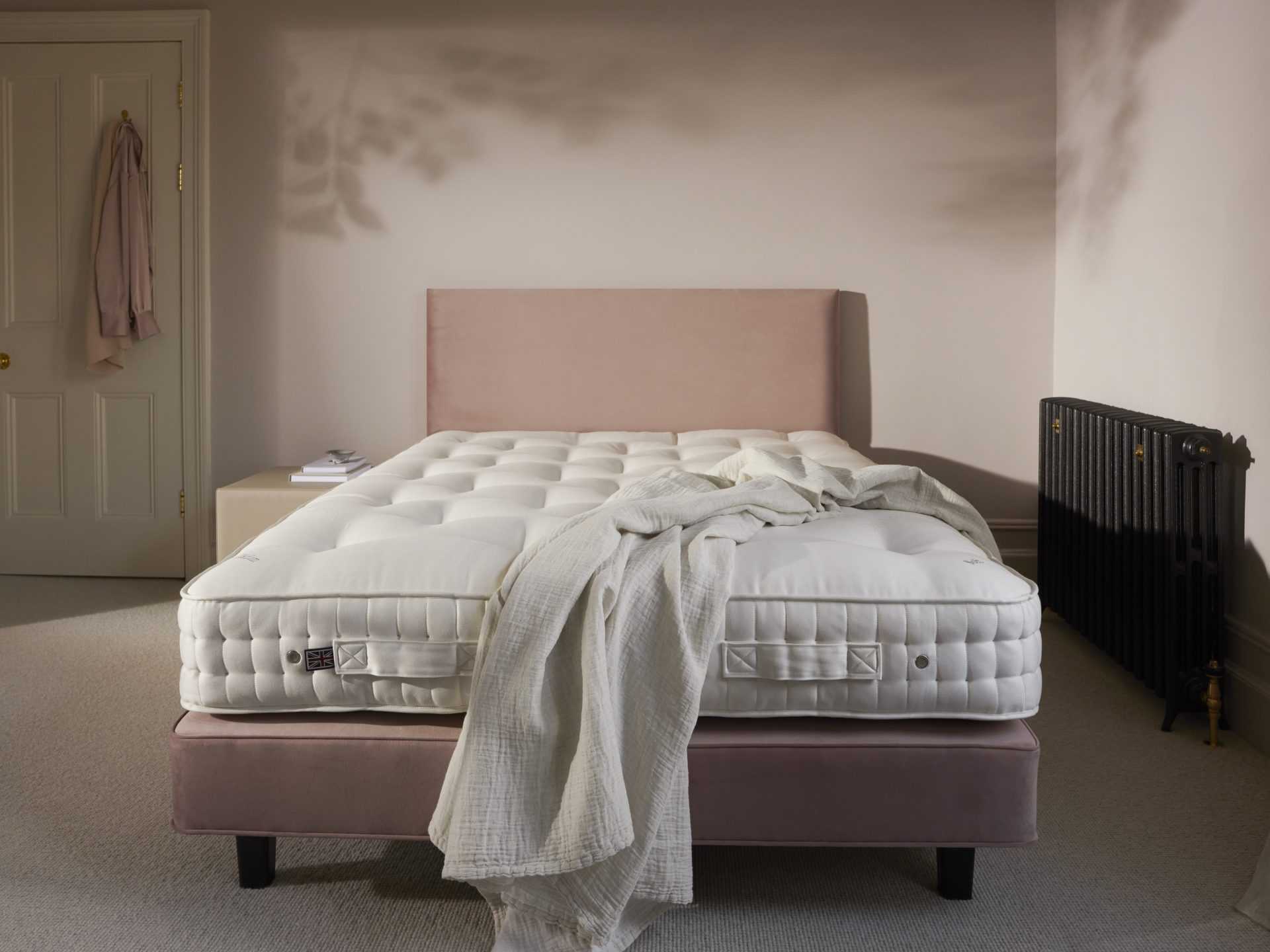
In exploring organic standards, it’s useful to regard a benchmark product that embodies traditional craftsmanship with contemporary performance. The Vispring Elite stands at the entry point of the Classic Collection, emphasizing disciplined layering, meticulous handwork, and durable materials. Its interior uses two fillings and a single spring layer, framed by a thoughtfully crafted border and hand-tufted anchors. The Elite’s use of bonded Platinum Certified British fleece wool and cotton speaks to a dedication to natural materials that breathe, regulate moisture, and maintain a dry surface through temperature shifts. This combination—natural fibers, careful construction, and attention to durability—offers a tangible reference point for readers assessing organic credentials in a premium context.
Vispring Elite product image
Brand: Vispring
Model: Elite
Core highlights: Two fillings, one spring layer, hand-nested springs (1,716 in King size), hand side-stitching, and tufted fillings to prevent migration.
Materials: Bonded Platinum Certified British fleece wool and cotton, with a breathable ticking.
Care: Regular rotation and gentle cleaning to preserve the upholstery and edge support; follow manufacturer guidelines for maintenance.
While the Elite exists in a premium segment, it offers a model for evaluating the interplay between natural fibers, craftsmanship, and long-term durability—concepts central to organic certification discussions even when the mattress itself is not explicitly certified under a single standard. Consumers should weigh such benchmarks alongside explicit certification claims when building a holistic understanding of a product’s organic integrity.
Final Thoughts: A Holistic Path to Safer Sleep
The journey toward an organic mattress is ultimately a journey toward a healthier sleep environment. Certifications act as navigational beacons, guiding buyers through the labyrinth of claims toward products that align with environmental stewardship, skin safety, and long-term durability. Beyond the label, the real-world impact resides in the materials chosen, the care required to maintain them, and the ethical commitments embedded in the supply chain.
As you consider a purchase, invite a broader question: how will this mattress influence your sleep quality, your family’s health, and the vitality of the ecosystems that support textile production? The answers lie in transparent information, thoughtful product design, and a disciplined commitment to organic principles that endure beyond a single season.
Elite offers balanced support and dry, breathable comfort all night: dual fleece layers manage moisture, 1,716 independent springs reduce motion transfer, and edge-to-edge quilting expands the sleeping surface for a luxurious, lasting feel.
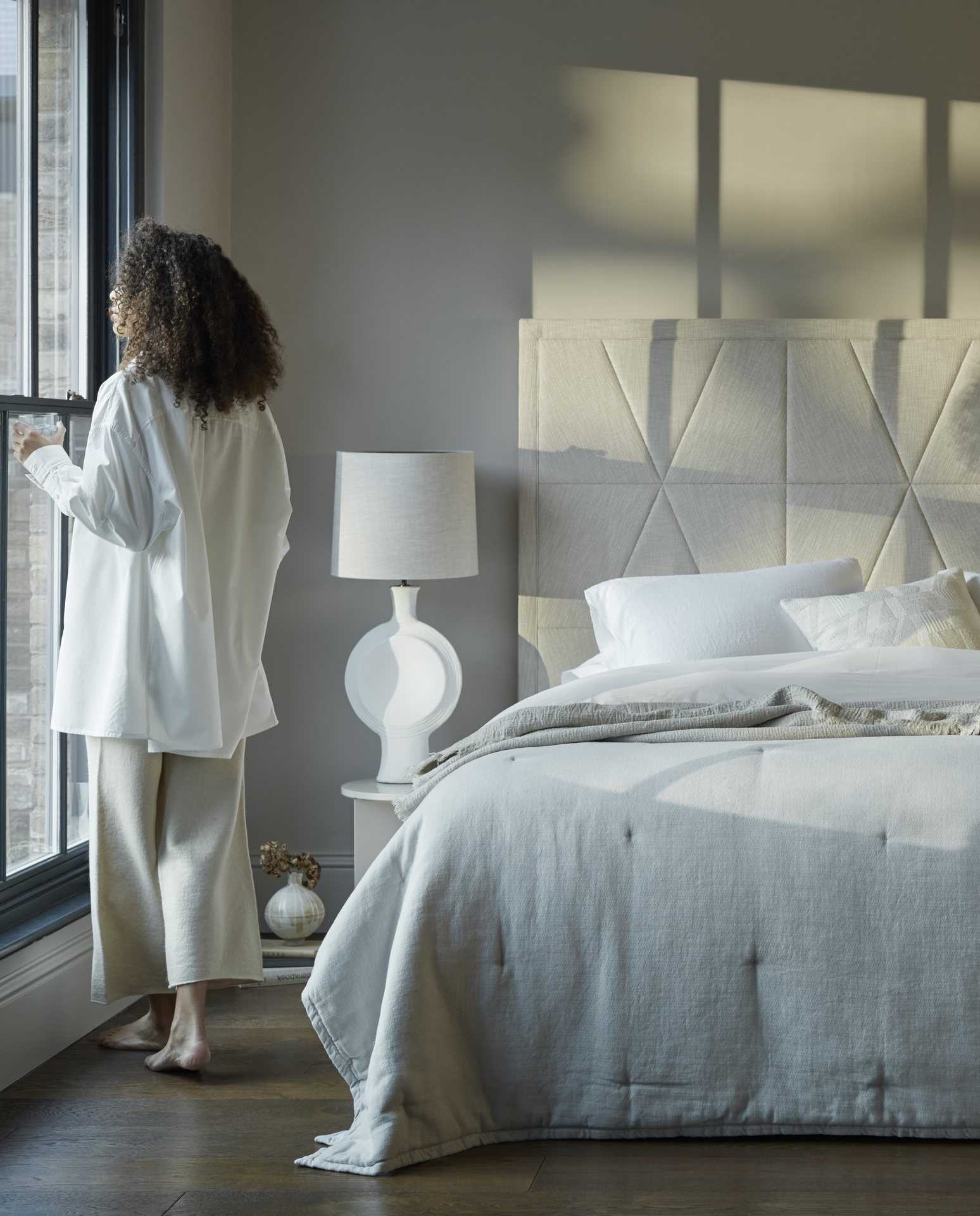
Design your look with a customizable headboard (slats or panels) and two height options, plus durable solid maple construction. Easy tool-free assembly, zero-VOC options, and a solid, quiet foundation for restful nights.
Sleep cooler and more supportive night after night with buoyant horsetail and resilient Shetland wool, while breathable ticking and natural fibers keep you dry and comfy—edge-to-edge comfort and long-lasting, maintenance-free feel.