A Philosophy of Light and Air
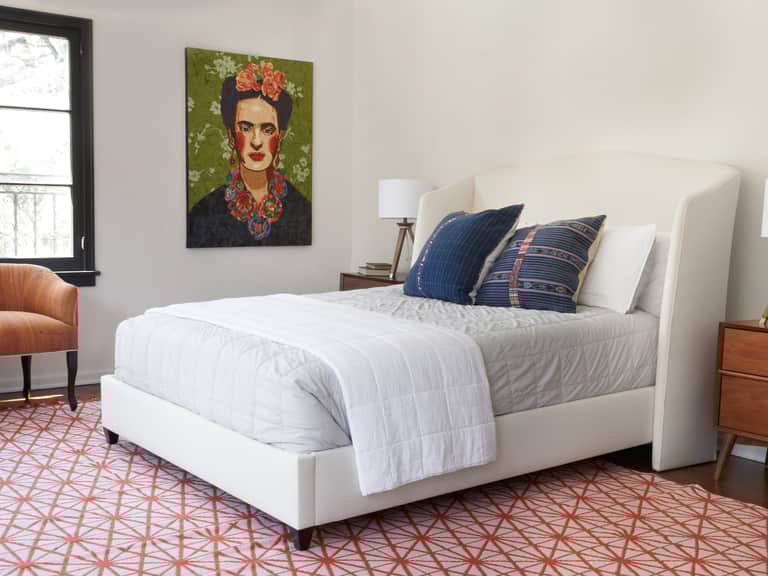
Nordic design embraces light as a living material. In the bedroom, this translates to soft, diffused daylight and warm ambient glow after sundown. The palette tends toward whites, creams, and pale neutrals, allowing natural textures to tell the story. The goal is not stark minimalism but a breathable space where every element earns its place. Imagine a room where white walls are warmed with linen and wool textures, where a bed emerges as a sanctuary rather than a statement piece.
The bedroom becomes a stage for calm: daylight filtering through sheer linens, and evening light rendered by carefully layered lamps that coax the mind toward rest. In practice, this means choosing fabrics with tactile depth—think wool throws, flax linens, and cotton sateen that invite touch and warmth without visual clutter.
Form Follows Function: Layout and Storage
Scandinavian design marries beautiful lines with practical solutions. In a bedroom, this translates to uncluttered layouts, generous but quiet storage, and furniture that feels like a natural extension of the room. The bed takes center stage as a design anchor, while storage systems glide in with clean silhouettes, hidden joints, and materials that age gracefully. The aim is effortless order—an environment that reduces decision fatigue and invites restorative routines.
To achieve this, consider under-bed storage drawers, floating shelves instead of bulky dressers, and a nightstand that’s proportionate to the bed’s scale. The overall composition should feel breathable—negative space is as important as texture.
Layered Lighting: Warmth Without Drama
In Vogue-worthy bedrooms, lighting is a choreography rather than a single, overpowering beam. Layered lighting—ambient, task, and accent—creates a mood that supports sleep. Warm bulbs (2700–3000K) give a cozy glow, while dimmers allow fluid transitions from waking hours to night’s embrace. A soft bedside lamp paired with recessed ceiling lines or a wall-wash can sculpt the room with gentle shadows, avoiding harsh contrasts that can disrupt circadian rhythms.
Texture-rich textiles naturally absorb and soften light, complementing the warmth of curated lighting choices and reinforcing a serene atmosphere.
Texture and Material: The Touch of Hygge-Influence
While hygge is Danish by origin, the mood resonates in Nordic interiors through tactile materials. Wool, linen, and linen-cotton blends offer a sense of coziness without visual heaviness. Natural fibers regulate temperature and contribute to a calm, inviting bedscape. The careful pairing of textiles—cushions, throws, and sheets—creates a layered effect that invites you to linger.
In practice, pick bedding that reflects this tactility: a wool throw at the foot of the bed, a linen duvet cover, and cotton-sateen sheets that gleam with quiet sophistication.
Architectural Quiet: Minimalism as a Luxury
Minimalism in the Nordic sense is a celebration of restraint and precision. It’s not about sterility but about a curated silence where every item has a story. Cavernous spaces or compact sanctuaries alike benefit from clean lines, subtle contrasts, and a restrained color story. Even when a room is small, the visual air should feel abundant—achieved through strategic furniture sizing, elevated bed frames, and a focus on the essential (and the beloved) pieces.
A bed with a simple, elegant headboard, a lean wardrobe, and a few well-chosen accessories can transform a bedroom into a serene retreat that invites restful sleep and reflective stillness.
The Nordic Palette: Light, Neutral, and Subtle Contrast
Sweden’s design milieu favors sunlit spaces with gentle contrasts. Think oatmeal, taupe, stone, and dove gray punctuated by black metal accents or warm wood tones. This palette acts as a backdrop for the textures—the tactile wool, linen, and cotton that give the room depth without overpowering it. The result is a bedroom that communicates quiet confidence and refined elegance.
In short, color is not used to shout, but to cradle the eyes. The palette becomes a canvas that supports sleep, naturally guiding the mind toward rest as the day fades.